Coastal Passage Planning Checklist: 15 Things to Verify Before Leaving Port
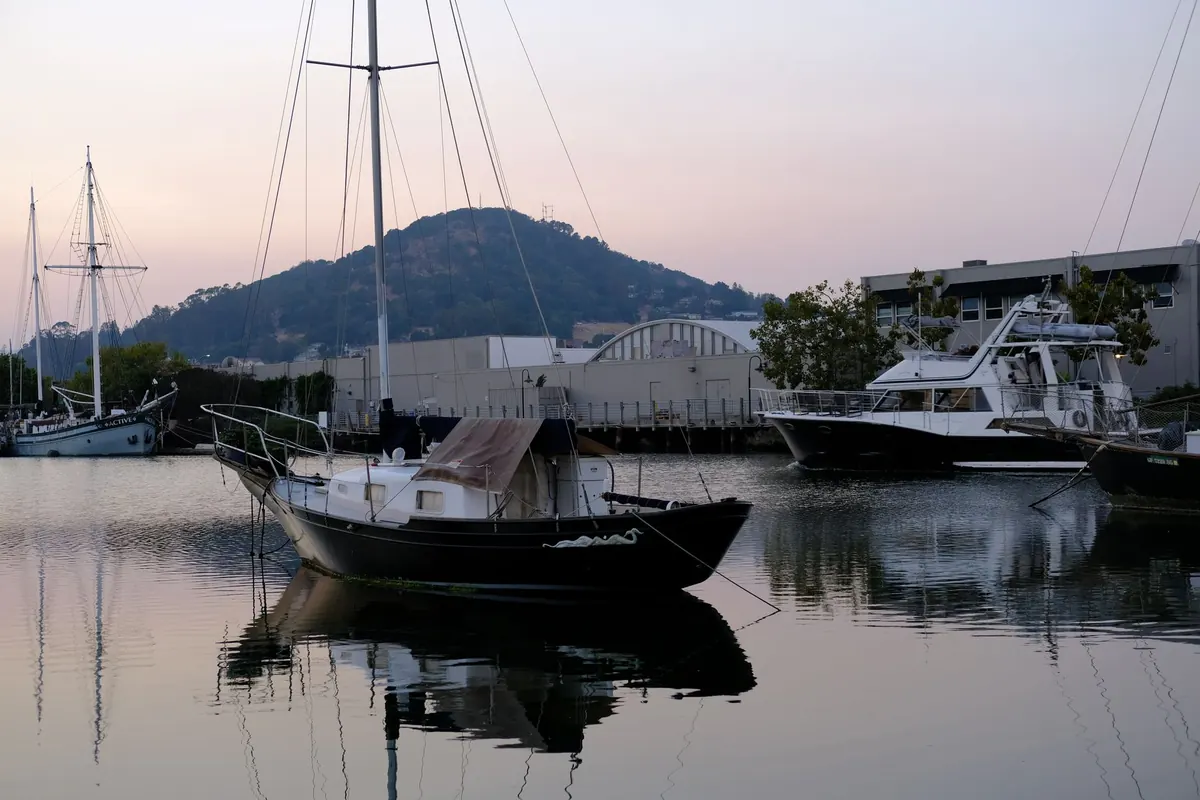
The first mile out of harbour sets the tone for everything that follows. A passage that begins with a rushed engine check, a half-read forecast and a crew still stowing gear tends to stay that way: improvised, tense, always a step behind the water. The alternative costs forty minutes at the chart table and on deck, and it is the cheapest insurance in sailing.
What follows is the working list used before any coastal hop, from a two-hour run to the next river mouth to a full day along an exposed shore. None of it needs new equipment. All of it needs you to slow down and look properly at what you already have.
The Fifteen Points, at a Glance
- Forecast from three sources. Synoptic chart, GRIB file and the local harbour forecast, read against each other and against the barometer.
- Wind against tide. Where the stream will run contrary to the sea, and roughly when it will be at its worst.
- Tidal heights and streams. Standard and secondary ports, headlands, and the hours of slack you actually care about.
- Departure and arrival windows. Daylight, harbour access, sill or bar restrictions, and how late you can be before it matters.
- Charts and corrections. Current editions, notices to mariners applied, plotter and paper both aboard.
- Route and waypoints. Legs timed, clearing bearings noted, at least one alternative port chosen in advance.
- Fuel and range. Tanks full, consumption calculated at cruising revs, a reserve that is real rather than hoped for.
- Engine and systems. Coolant, oil, belts, filters, impeller, batteries, bilge.
- Water and food. More than the passage length suggests, plus a flask of something hot.
- Lifejackets and harnesses. Fitted, serviceable, one per person, jackstays rigged before the lines go.
- Safety equipment. Flares in date, liferaft serviced, EPIRB registered, extinguishers charged.
- Communications. VHF working, DSC and MMSI correct, phone charged with a spare battery ashore-side.
- Crew briefing. Man-overboard drill, watch system, seasickness plan, who does what when it gets wet.
- Float plan lodged. Someone ashore knows the route, the ETA and when to start worrying.
- Boat stowed and ready. Hatches dogged, gear lashed, decks clear, everything in its place.
Weather: Read the Window, Not the Snapshot
A GRIB file is a photograph, not a film. The number that matters is not the wind speed at your departure hour but the shape of the change around it: is pressure falling steadily, is the gradient tightening, is a cold front due to cross tomorrow lunchtime. Read the synoptic chart first, then use the GRIB to check your reading of it. If the two disagree, trust the chart and add margin.
Build a window rather than a moment. You want favourable conditions at departure, favourable conditions at arrival, and enough slack in between that an hour lost to a fouled prop or a slow fish boat on a long tack does not turn a pleasant passage into a beat into a rising sea. Sea state lags the wind by hours, and a swell from an old gale a hundred miles away can arrive on a calm morning. Coastal sailing has its own traps: on a summer afternoon a sea breeze can add a solid ten knots along a headland while the offshore forecast reads light, and a tidal stream running out against that breeze will stack the water into short, ugly chop. Read the forecast again at the harbour entrance, and once more past the breakwater.
Tides, Currents and the Water Between Headlands
Tidal planning starts with depths: charted depth plus height of tide minus your draught gives the clearance under the keel, and the rule of twelfths tells you how quickly that clearance disappears on a spring ebb. Neaps give you an easier time in harbour and less current offshore; springs give you more of both. Know which one you are sailing.
Then look at the streams. A tidal stream atlas is a good starting point, but the water near a headland does not always read the book. Expect races, overfalls and back eddies in bays, and expect slack water at a cape to arrive later than high water at the nearest standard port. Where the wind opposes the stream, plan your passage to avoid that stretch at its strongest — that is where a flat sea becomes steep and short in a hurry, and where you will discover whether your crew is having a good day.
Charts, Waypoints and a Route You Can Abandon
A chart plotter is a convenience, not a chart. Carry the paper for the whole area and update it. Notice to mariners corrections matter more than they seem: a moved buoy, a new dredging area, a temporary firing range mark that appears on no electronic chart for the first fortnight. Check the scale you are looking at. Zoomed out, a rock with four metres over it looks like open water.
Then plot the passage with intent. Waypoints at every turn rather than a single rhumb line to the destination, ETAs written in the log, a clearing bearing noted for each significant hazard, and one bolt-hole port identified before you leave. At night, note which marks are lit and which are not, and what the background lights will do to your identification of a harbour entrance.
Fuel, Machinery and the Margin You'll Be Glad Of
The rule of thirds is old, unglamorous and still correct: a third of the fuel to get there, a third to get back, a third for the unexpected. Work out consumption at the revs you will actually motor at, not the figure that flatters the engine. Fill the tanks before the passage, not after.
Check the things that stop engines most often: contaminated fuel, clogged filters, a tired impeller, a slack belt, a failing battery connection. Look for water in the fuel separator and drain it. Run the engine at idle alongside and confirm cooling water is coming out of the exhaust, the note is normal, and nothing smells hot. A spare impeller, spare filters, a basic tool kit and a torch cost very little and turn a breakdown into an hour's delay rather than a tow.
Safety Gear and the Crew Briefing
Equipment only counts if the people aboard know where it is and how to use it. Lifejackets fitted and adjusted for each person, with crotch straps; harness points identified; jackstays rigged early, while the deck is still flat and everyone is still cheerful. Check service dates on the liferaft and extinguishers, the expiry on flares, and the registration on the EPIRB.
Brief the crew properly, and twice for anyone new. How to start and stop the engine. How to make a distress call on the VHF and what to say. The man-overboard drill: shout, throw flotation, keep pointing at the casualty, press the MOB button if there is one, and be ready to throw a line. Where the first aid kit lives, and where the seasickness tablets are. On medical matters, including which tablets suit which crew member, ask a pharmacist or doctor rather than the internet the night before.
A good float plan turns a search into a targeted answer. It takes ten minutes to write and it is the only thing on this list that helps if you cannot help yourself.
Leave a Float Plan Someone Can Act On
Give it to a person, not a voicemail. Boat name, type, colour and sail number; MMSI and mobile numbers; crew names and their shore contacts; route and intended stopovers; ETAs for each leg; and, most importantly, the time at which you will be considered overdue and the number to call. Agree a call-in routine if you have coverage — a short text at each waypoint is enough — and close the plan the moment you tie up. The person holding it should be someone who will genuinely make the call, not someone who will assume you are in the pub.
Last Fifteen Minutes at the Pontoon
Before the lines come off, run the sequence one final time. Engine started, cooling water confirmed, bilges dry, hatches dogged, loose gear lashed, fenders and lines ready for the first manoeuvre, crew in lifejackets and told where the first waypoint is. Write the departure time in the log and check the harbour mouth one more time with your own eyes — not the app, the horizon.
Then go. A well-prepared departure is not a guarantee of smooth water, but it means that when something does go wrong — and something usually does — you are already ahead of it. That is what seamanship mostly looks like: unremarkable preparation, done consistently, by people who would rather spend ten minutes at the chart table than an afternoon apologising to their crew.
Photo: David McElwee / Pexels