Coastal Travel Checklist for Lighthouse-Hopping by Ferry, Foot, and Car
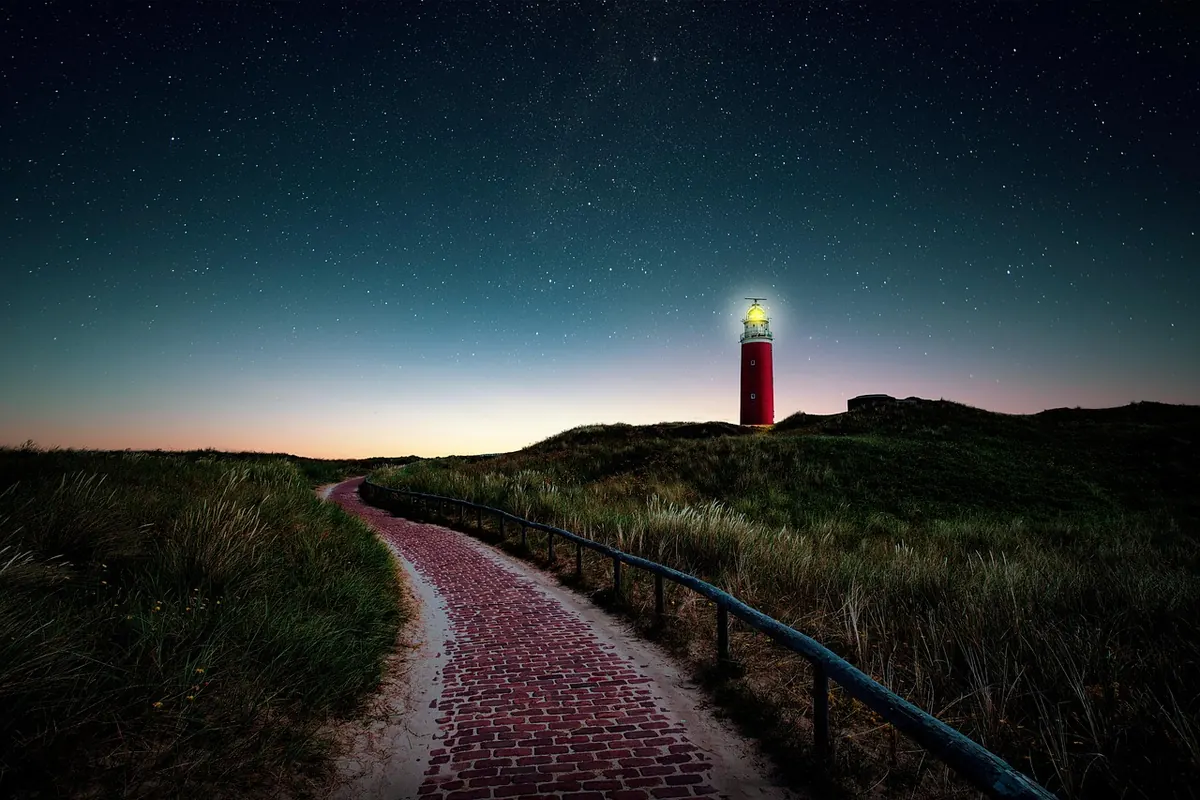
There is a particular pleasure in seeing the same lighthouse from three angles in one day: from the deck of a ferry, from a cliff path, and from a lay-by where the tower suddenly appears above a hedge. Stringing several lights into a single trip is another matter. Tides, ferry timetables, farm gates and walking distances all pull against one another, and the order you visit them in matters as much as which ones you choose. A long weekend planned with a little care can hold six or seven lights comfortably. The same weekend planned loosely often ends with two hours spent waiting for a barrier to lift.
Plan by Access Type, Not by Map Distance
Before you draw a route, sort the lights you want to see into three piles. The first is drive-up: a road, lay-by or car park within a few minutes of the tower. The second is walk-in: anything from half an hour to two hours on foot, often on cliff paths or across dunes. The third is water-access, where a ferry, a small boat or an island crossing is the only sensible way in. That sorting does more for your itinerary than any amount of measuring.
Then cluster them geographically, but read the coastline rather than the crow-flies distance. A light eight miles away across an estuary can be a two-hour drive around the head of the water, while one fifteen miles down the coast may be forty minutes of easy road. On foot, shingle, soft sand and steep staircases all slow you down more than the map suggests.
Pick one or two lights per day that you genuinely want to photograph, and let those anchor everything else. Keep a spare, low-effort light in reserve for each day — the one you can reach in twenty minutes if the weather turns or a ferry is cancelled. And count the view-only stops. Some towers stand behind walls or on headlands you can't legally reach; seeing them from a distance with binoculars is still a good hour spent.
Time the Day Around Light, Tides and the Last Ferry
Coastal light is best in the first hour after sunrise and the last two before sunset, when the tower has some shape to it instead of flattening into a white smear against a white sky. If photography matters, build the day around those two windows and put the long drives in the middle.
Ferries are the fixed points that everything else has to fit around. Timetables thin out outside the season, small crossings have limited space for vehicles, and weather can cancel sailings at short notice. Always know the last return crossing of the day, and know what you'll do if you miss it: a bed on the island, or a different route home. Where a crossing is short and frequent, foot passengers have far more flexibility than drivers.
Tides deserve the same attention. Read the table for the nearest standard port rather than a general area forecast, and note whether the water is rising or falling when you plan to arrive. A falling tide opens rock ledges and causeways; a rising tide closes them again, often faster than people expect. Spring tides have a much bigger range than neap tides, so a route that works on one set of dates may be impassable on another. Write the times down on paper. Signal at the coast is unreliable, and a screenshot you can't open is no help at all.
Packing for Three Modes of Travel
You are effectively packing for a boat, a hill walk and a road trip at once. Keep it light, but don't leave these behind:
- Layers and a shell. A base layer, a warm mid-layer and a windproof, waterproof outer layer cover most coastal weather in a single day.
- Boots with grip. Ankle support and a proper tread for wet rock, seaweed and loose stone. Spare socks are worth their weight.
- A headlamp with spare batteries. For pre-dawn starts, late finishes, and the unlit spiral stairs inside towers that open to visitors.
- Paper backup. A printed tide table, a paper map, and offline maps on a charged phone with a power bank.
- Cash. Small ferry fares, car parks with tired machines and honesty boxes are still part of coastal travel.
- Water and food. Many lights have nothing nearby, and the nearest café may be shut on a Tuesday.
- Sun protection. Hat, glasses and sunscreen. Sea glare works through cloud.
- Binoculars. For picking out distant towers, reading buoy marks and watching the water while you wait.
- A dry bag. Phone, camera and spare layers stay useful on a wet ferry deck or a wave-splashed path.
- Small first-aid kit with blister plasters, plus insect repellent where biting insects are a nuisance in summer.
Access Rules That Catch People Out
Plenty of lighthouses stand on private land, working farmland or land with restricted entry, and a road reaching a gate does not make the gate public. Some towers open on advertised days only, run by volunteers or a lighthouse charity; others are fully automated and closed, with the interest lying in the exterior, the headland and the view back along the coast. Check opening arrangements before you build a day around one.
Seasonal closures matter too. Cliff paths and headlands are often shut in spring and early summer to protect nesting seabirds, and the closure is not optional. Park where you don't block a farm entrance or a passing place, and never leave a vehicle on a single-track road. If you fly a drone, ask first — many coastal sites and landowners restrict them. And take a closed sign at face value. There is always another light.
Tide Awareness on Foot
Most lighthouse walks are short, which is exactly why people underestimate them. Set a hard turn-around time based on the tide, not on how you feel, and stick to it. Watch the seaweed line and the wet band on the rock: it tells you where the water has recently been. Wet green algae is genuinely treacherous, and spray-zone rock stays slick even on a dry day.
Don't cross a causeway, sandbar or low-tide passage with the water rising behind you. Check the wind as well as the tide — swell and onshore wind can make a route impassable at low water. Tell someone your route and expected return, keep your hands free on rough ground, and don't rely on a phone signal at the base of a cliff.
Ferry, Foot and Car: Making the Handoffs Work
By ferry
Arrive earlier than seems necessary; terminals are often small and queues form quickly. Book vehicle space in advance on short crossings, keep your ticket and valuables in the dry bag, and get out on deck for the harbour approach — that's where you'll see the light from the water, which is the view the tower was built for.
On foot
Plan loops where you can and note the point of no return on out-and-back routes. Add time for photography, for gates and stiles, and for the fact that a "twenty-minute walk" on a map may be forty on shingle.
By car
Single-track coastal roads reward patience: use passing places, don't drive unsurfaced tracks that look like farm access, and fuel up when you see a station rather than assuming the next village has one.
The Evening Before
Ten minutes of checking saves a morning of guessing. Confirm tomorrow's sunrise time, the tide times and whether the water is rising or falling, the first and last ferry departures, and any opening hours or seasonal closures on your list. Charge everything, fill the water bottles, put the boots by the door and leave a note of your route with someone at home. Then sleep properly — the best light of the day comes early, and it doesn't wait for a second coffee.
Photo: ELG21 / Pixabay